Landfall at Last
/
It was a long wait, but, as Panagiotis Polichronakis reports, The Landmark Herodotus is finally here in all its definitive glory.
Read MoreArchive
The complete Open Letters Monthly Archive.
It was a long wait, but, as Panagiotis Polichronakis reports, The Landmark Herodotus is finally here in all its definitive glory.
Read MoreFor fifteen years a British and a Soviet family built a friendship by slipping letters past KGB censors. Karen Vanuska celebrates From Newbury with Love, a collection of their rich correspondence.
Read MoreJoanna Scutts reviews Soldier’s Heart by West Point professor Elizabeth D. Samet, whose memoir accomplishes the impressive feat of finding common ground between Army officers and English majors.
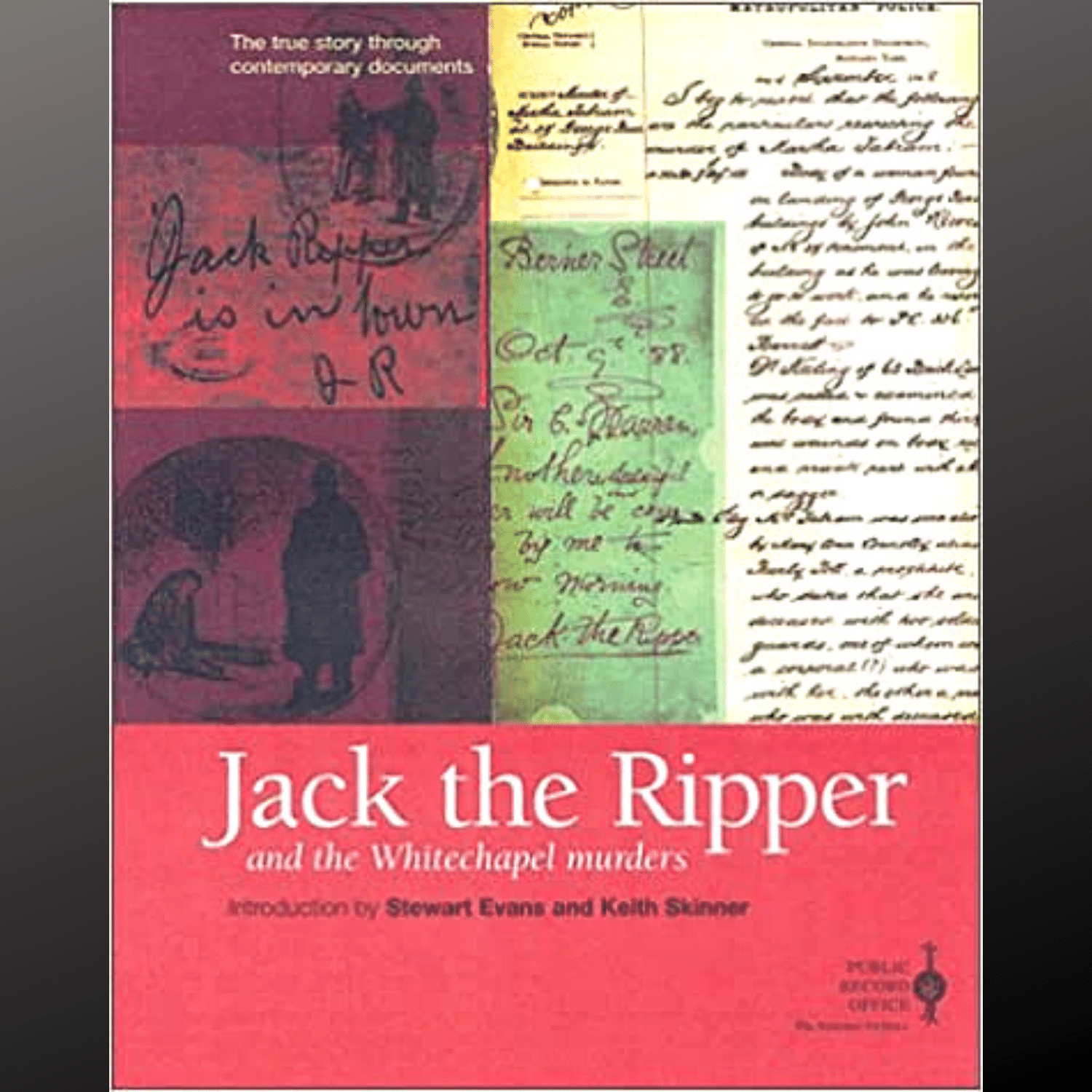
Read MoreThere was no popular conception of the serial killer in Victorian England in 1888. Jack the Ripper was self-made man, and, as Steve Donoghue writes, no one knows who he was.
Read MoreThe bestselling New Atheists presume that a simple faith in reason will make short work of the longing for God. David G. Moser takes them to task for what Nietzsche would have called their “complacent rationality.”
Read MoreWhen crises like 9/11 erupt, says Susan Faludi, America’s women wind up in lockdown. Joanna Scutts finds the national unconscious as unbalanced as ever in The Terror Dream.
Read MoreAside from the stammering anger they’ve stirred up, have John W. Mearsheimer and Stephen M. Walt added anything substantial to the Middle East debate? Plenty, Greg Waldmann writes, but not for the reasons they wanted.Aside from the stammering anger they’ve stirred up, have John W. Mearsheimer and Stephen M. Walt added anything substantial to the Middle East debate? Plenty, Greg Waldmann writes, but not for the reasons they wanted.
Read MoreGeorge Custer knew damn well how many Indians he’d be fighting at Little Bighorn, but the myths of that battle have overcrowded the truth. To sort one from the other, Steve Donoghue charges into a shelf of Custerology.
Read MoreA good man’s life is rare and pure enough to revisit for its own sake. Steve Donoghue looks back on why Theodore Roosevelt meant so much to so many, and how he earned his spot on that big rock.
Read MoreIn The Know-It-All, A.J. Jacobs reduced learning to the memorization of trivia; now in The Year of Living Biblically he reduces religious faith to growing a beard. Steve Donoghue, in turn, reduces A.J. Jacobs.
Read MoreGreg Waldmann wraps his head around The Suicide of Reason and comes away wishing Lee Harris hadn’t tried to talk reason off a ledge.
Read MoreSteve Donoghue reviews pollster-guru Mark J. Penn’s Microtrends, a book that sheds light on the campaign mentality of our most powerful politicians. The weak of stomach must consider themselves duly warned.
Read MoreIn our regular feature, Hugh Merwin tucks in to the reviews of Michael Pollan’s The Omnivore’s Dilemma, which alternately acclaim and castigate the bellwether bestseller.
Read MoreIn this regular feature, Steve Donoghue celebrates the life and letters of John Jay Chapman, an eloquent American wit now forgotten, whose writings once provoked and delighted an enthusiastic public.
Read MoreThe American Revolution’s neat conclusion at Yorktown is a familiar story from the history books. Thom Daly reads Perils of Peace as Thomas Fleming’s noble if flawed attempt to add more detail to our easy picture of events.
Read MoreAlmost a century ago, the squabbles of one privileged family decimated all of Europe. Steve Donoghue investigates Catrine Clay’s impossibly comprehensive retelling in King, Kaiser, Tsar:
Read MoreWikipedia is destroying our culture; so are YouTube, MySpace, and Google; and all your damn blogs, too—or so says Andrew Keen. Greg Waldmann exposes Cult of the Amateur, and the amateur authorship behind the screed.
Read MoreAlan Axelrod’s Blooding at Great Meadows perpetuates a few too many myths about George Washington. Fortunately, we have Steve Donoghue to set the hagiographers straight.
Read MoreBulldog attorney Vincent Bugliosi investigated the JFK assassination and wrote the world's longest book about it. We re-read it for the sad anniversary of that day in Dallas.
Read MoreAfter tallying up the fallacies in God is Not Great, Amanda Bragg concludes that Christopher Hitchens is less concerned with enlightened dissent than with cashing in on a craze
Read More




Powered by Squarespace.